Your Body's Warming System Works Backwards When You Drink — Here's Why Alcohol Feels Hot But Makes You Colder
The Drink That Feels Like a Heater
Step into any American bar during winter, and you'll hear someone ordering whiskey "to warm up." It's one of those pieces of folk wisdom that feels so obviously true that questioning it seems silly. The alcohol burns going down, you feel a warm flush spread through your body, and suddenly the cold doesn't seem so bad. Case closed, right?
Except your body temperature is actually dropping while you feel that warmth. Alcohol doesn't heat you up — it redistributes your existing heat in a way that feels warming but actually makes you colder and potentially puts you in danger.
What's Really Happening Under Your Skin
When you drink alcohol, it causes your blood vessels near the skin's surface to dilate. This vasodilation brings more warm blood from your core to your skin, creating that familiar flush and feeling of warmth. Your face might turn red, your skin feels hot to the touch, and you genuinely feel like you're warming up from the inside out.
But here's the problem: that warm blood reaching your skin doesn't stay warm. It immediately starts losing heat to the surrounding air. Your body is essentially opening its windows while the heater is running. The warmth you feel is actually your core body temperature escaping through your skin.
Meanwhile, your body's natural cold-weather response — constricting blood vessels near the skin to conserve core heat — has been chemically overridden. You've disabled your biological heating system right when you need it most.
Why the Myth Feels So Convincing
The alcohol-warmth connection feels true because the immediate sensation of warmth is real and noticeable. When you're cold, anything that makes you feel warmer seems like it must be helping. Your skin genuinely does get warmer when you drink — it's just that this surface warming comes at the expense of your core temperature.
This creates a perfect setup for misconception. The immediate, obvious effect (feeling warmer) masks the delayed, invisible effect (becoming actually colder). By the time hypothermia becomes a concern, you're likely too impaired or too cold to recognize what's happening.
The myth is also reinforced by cultural associations that have nothing to do with physiology. Saint Bernard dogs with brandy barrels, cowboys drinking whiskey around campfires, and countless movies where characters take a drink to "warm up" have created a narrative that feels true regardless of the science.
The Dangerous Side of Feeling Warm
This misconception isn't just wrong — it can be deadly. People who drink alcohol in cold weather often underestimate how cold they actually are because they feel warm. They might stay outside longer than they should, wear less clothing than they need, or make poor decisions about shelter and safety.
Alcohol also impairs your body's shivering response, which is one of your most important heat-generation mechanisms. Shivering can increase your heat production by up to five times normal levels, but alcohol suppresses this reflex just when you need it most.
Search and rescue teams regularly encounter cases of hypothermia where alcohol played a role — not just because it impaired judgment, but because it gave people a false sense of warmth that masked their body's distress signals.
Where the Warming Myth Came From
The association between alcohol and warmth likely comes from several sources. Historically, distilled spirits were often the safest thing to drink in cold climates where water sources might be contaminated. Military rations included alcohol partly for morale and partly because it was shelf-stable and calorie-dense.
Alcohol does provide calories — about seven per gram — and your body can convert those calories to heat through metabolism. But this process happens slowly over hours, not minutes. The immediate warming sensation has nothing to do with those calories and everything to do with blood vessel dilation.
There's also a psychological component. Alcohol reduces anxiety and can make people feel more comfortable in uncomfortable situations. If you're stressed about being cold, alcohol might make you care less about the cold, which could be misinterpreted as actually being warmer.
What Actually Keeps You Warm
If alcohol doesn't warm you up, what does? Your body has several mechanisms for maintaining temperature in cold weather:
Shivering generates heat through muscle contractions. Vasoconstriction redirects warm blood away from your skin and toward your vital organs. Brown fat tissue burns calories specifically to produce heat. These systems work best when they're not chemically impaired.
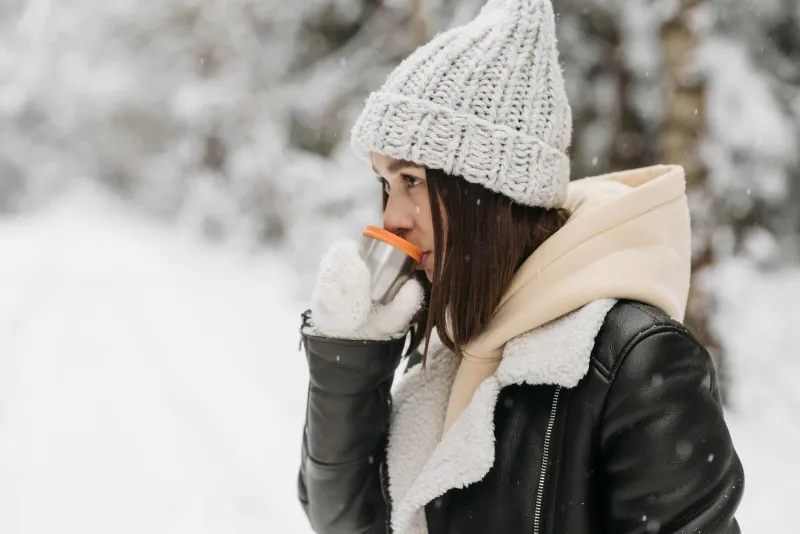
External heat sources — warm clothing, shelter, hot drinks without alcohol, and physical activity — actually increase your body temperature instead of just redistributing it. A cup of hot coffee or tea warms you up through the liquid's temperature, not through any drug effect.
The Warmth You Can Trust
The next time you're tempted to reach for alcohol to warm up, remember that your body's temperature regulation system evolved over millions of years to keep you alive in cold weather. Alcohol short-circuits that system in exchange for a brief, pleasant sensation that can actually put you in more danger.
If you want to drink alcohol in cold weather, that's fine — just don't drink it because you think it will warm you up. Dress appropriately, stay aware of how cold you actually are (not how cold you feel), and have a real plan for staying warm that doesn't depend on your circulatory system working backward.
The feeling of warmth from alcohol is real, but it's the feeling of your body losing heat, not gaining it. Sometimes the most convincing sensations are the ones that lie to us most effectively.