De Beers Invented Your Engagement Ring Tradition in 1947 — And It Was One of the Most Effective Ad Campaigns in History
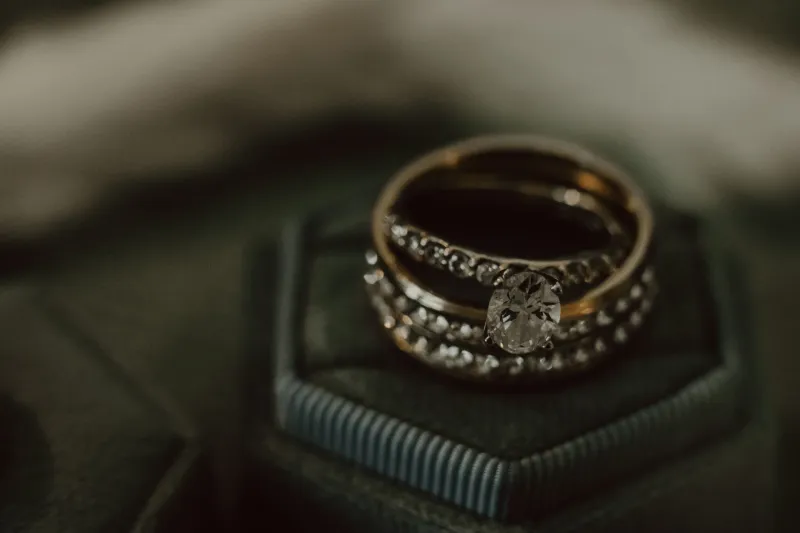
Ask most Americans where the diamond engagement ring tradition comes from and you'll get some version of the same answer: it's just what people do. It's romantic. It's timeless. It's been this way forever.
None of that is accurate. The diamond engagement ring as a near-universal American custom is younger than color television, and it was built almost entirely by one company that needed to solve a very specific business problem.
The Problem De Beers Needed to Solve
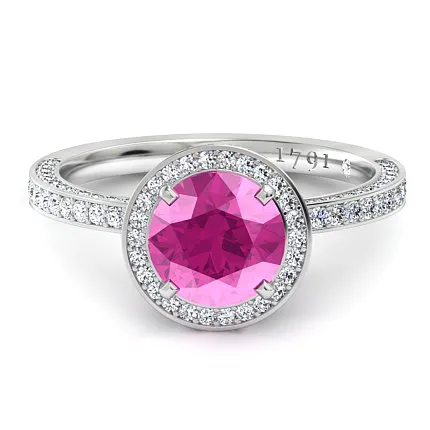
By the late 1930s, De Beers Consolidated Mines controlled somewhere between 80 and 90 percent of the world's rough diamond supply. That's a remarkable market position, and it came with a remarkable problem: diamonds had no real consumer market in the United States. Engagement rings existed, but they were typically set with sapphires, rubies, emeralds, or pearls. Diamonds were for the wealthy, and even among the wealthy, they weren't the default.
Worse, the Great Depression had collapsed what American diamond market existed. De Beers hired the Philadelphia advertising agency N.W. Ayer & Son in 1938 and gave them a brief that was, by any measure, audacious: create demand for a product that most American consumers didn't think they needed, for a purchase most of them couldn't comfortably afford, and attach it permanently to one of the most emotionally significant moments in a person's life.
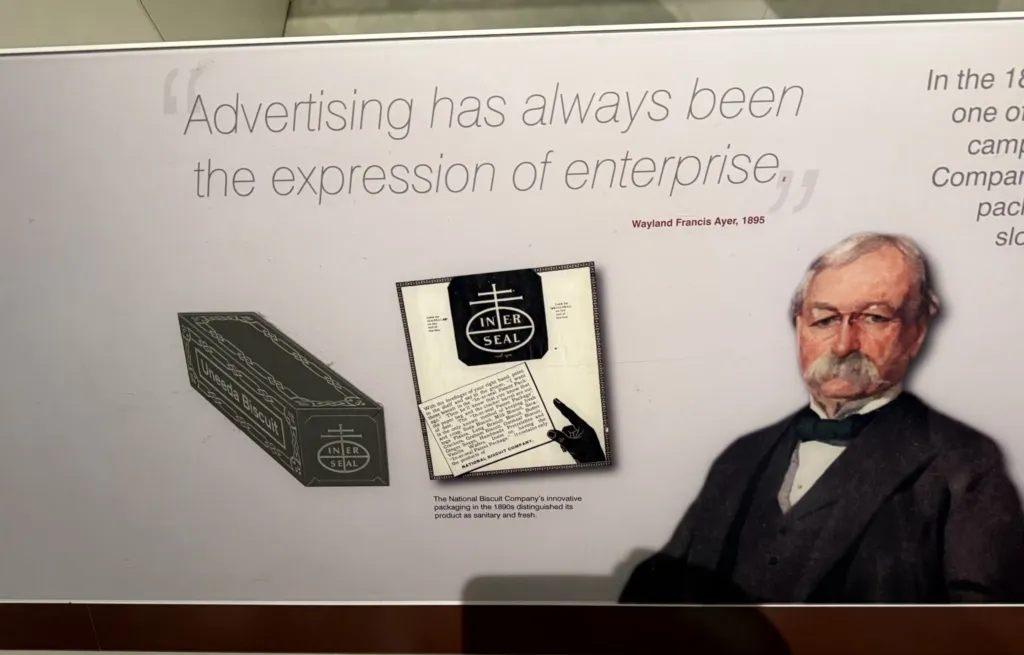 Photo: N.W. Ayer & Son, via www.lessitermedia.com
N.W. Ayer got to work.
The Campaign That Rewrote a Custom
The strategy the agency developed was sophisticated in ways that weren't entirely visible at the time. Rather than running conventional advertisements that told consumers to buy diamonds, they worked to seed the idea of diamonds into the culture itself. They placed diamonds on Hollywood celebrities and made sure photographs circulated. They provided diamonds to British royals and ensured the coverage reached American audiences. They worked with newspapers and magazines to publish stories — presented as editorial content — about diamond engagement rings as the expected expression of romantic commitment.
In 1947, a copywriter named Frances Gerety, working late on a project she'd been struggling with, wrote four words in the margin of her notes almost as a throwaway: A Diamond Is Forever.
She almost didn't submit it. Her creative director pushed her to include it. De Beers ran it. Advertising Age would later name it the slogan of the twentieth century.
The phrase did something specific and deliberate. It didn't just say diamonds were valuable. It said they were permanent — that a diamond, unlike other gifts, could not be returned, resold, or replaced with something else. The slogan was doing two things simultaneously: romanticizing the purchase and quietly closing off the secondary market.
Why You Can't Really Sell Your Diamond Back
This is the part of the story that most people find genuinely surprising. Diamonds, unlike gold or platinum, have almost no functional resale market. If you paid $5,000 for a diamond engagement ring and tried to sell it tomorrow, a jeweler would likely offer you somewhere between 20 and 40 percent of what you paid — if they'd buy it at all. The stone itself would be assessed for far less than retail.
This isn't an accident of market economics. It's a feature of the system De Beers built. By controlling the supply of rough diamonds globally, De Beers could maintain retail prices at a particular level. But a robust resale market would have undermined that price control — used diamonds competing with new ones would have created downward pressure on the whole structure. The A Diamond Is Forever campaign addressed this elegantly: by making it culturally unacceptable to sell a diamond engagement ring (what kind of person sells their engagement ring?), De Beers effectively removed used diamonds from market circulation.
Diamonds aren't scarce in any natural sense. De Beers warehouses have historically held enormous stockpiles of diamonds that were never released to market precisely because releasing them would have crashed the price. The value of a diamond is, to a remarkable degree, a manufactured condition.
The Two-Months' Salary Rule
If the A Diamond Is Forever campaign created the custom, a later De Beers campaign refined the price point. The "two months' salary" guideline — the idea that an engagement ring should cost roughly two months of the buyer's income — was not a tradition, an etiquette standard, or a romantic convention. It was an advertising benchmark, introduced in De Beers marketing materials in the 1980s, that told consumers how much they were supposed to spend.
It worked. Survey data from that era shows the average amount Americans spent on engagement rings increased substantially after the guideline was introduced and promoted. People followed a spending rule invented by the company selling the product, because the rule was presented as a social expectation rather than a sales target.
What "Timeless" Actually Means
The diamond engagement ring tradition is now so deeply embedded in American culture that it genuinely does function like a tradition — it's passed down, it carries emotional weight, and departing from it requires a conscious decision that many couples find socially uncomfortable. That's not nothing. Traditions that are consciously constructed can still become real over time.
But it's worth being clear-eyed about the origin. The custom was built by a company that needed to sell a product, using advertising techniques specifically designed to make a commercial preference look like a timeless romantic truth. The lab-grown diamond industry — which produces chemically identical stones at a fraction of the price — is now threatening the natural diamond market in ways De Beers spent decades trying to prevent, and the industry's response has largely been to double down on the emotional narrative: that a natural diamond means something a lab-grown one doesn't.
Which is, of course, exactly what you'd expect from people who are very good at selling meaning.
The Takeaway
The diamond engagement ring isn't an ancient custom that advertising reinforced. It's a modern custom that advertising created. The "timeless" quality of the tradition was a deliberate message, engineered to make a business strategy feel like human nature. Frances Gerety wrote four words on a notepad in 1947, and those four words are still shaping how much Americans spend on one of the most significant purchases of their lives.
Not quite so timeless, after all.