The Great Laundry Folding Conspiracy — Why You're Probably Wasting Hours Every Week
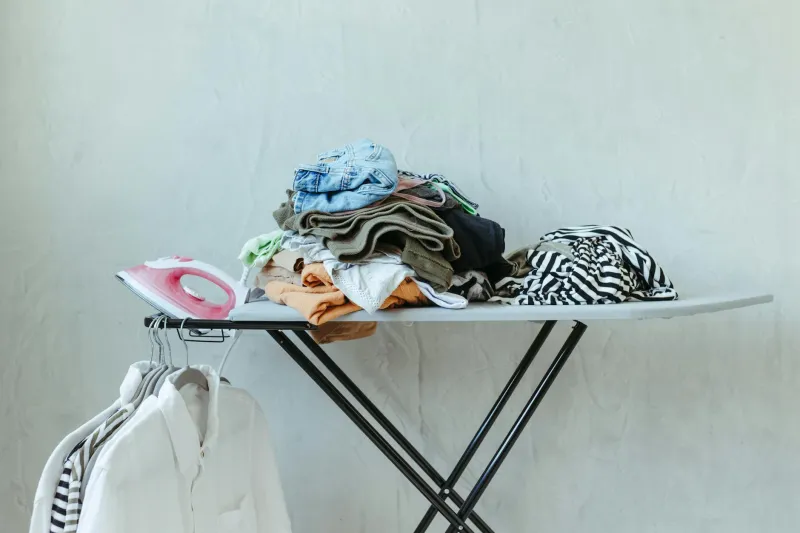
Every Sunday, millions of Americans perform the same domestic ritual: they pull warm clothes from the dryer and spend the next hour folding everything into neat rectangles and squares. It's a routine so universal that questioning it feels almost rebellious.
But here's the uncomfortable truth: most of your folding habits accomplish absolutely nothing useful.
The Folding Myth That Won't Die
The average American household does about 300 loads of laundry per year. If you spend 20 minutes folding each load — a conservative estimate — that's 100 hours annually dedicated to creating temporary geometric shapes with your clothing.
The justification is always the same: folding prevents wrinkles, saves space, and keeps clothes organized. It's what your mother did, what her mother did, and what feels like the responsible adult thing to do.
Except fabric science tells a different story.
What Actually Causes Wrinkles
Wrinkles form when textile fibers are bent or compressed while damp and then dry in that position. The key factor isn't whether clothes are folded — it's whether they dry while under pressure or constraint.
Clothes that sit in a pile while still warm from the dryer will wrinkle, folded or not. Clothes that are completely dry before being stored rarely wrinkle from folding, regardless of how they're arranged.
The timing of your laundry routine matters far more than your folding technique. Pulling clothes from the dryer immediately and letting them cool while spread out prevents most wrinkles. Everything else is theater.
The Space Efficiency Illusion
Folding advocates often claim it saves space, but this depends entirely on what you're comparing it to and how you're storing clothes.
For dresser drawers, yes — folded clothes generally use space more efficiently than wadded-up clothes. But hanging clothes in a closet often uses less total space than folding and storing in drawers, especially when you factor in the furniture footprint.
For items that spend most of their time hanging anyway — dress shirts, pants, dresses — folding them for temporary drawer storage actually wastes space and creates unnecessary work.
The Historical Accident of Domestic Folding
How did elaborate folding routines become standard American practice? The answer involves a perfect storm of 20th-century domestic trends that had little to do with fabric care.
First, the rise of suburban homes with dedicated laundry rooms created space for folding as a separate activity. Earlier generations often hung clothes directly from the washing line without an intermediate folding step.
Second, the proliferation of synthetic fabrics in the 1950s and 1960s created new care requirements that weren't well understood. Polyester blends behaved differently than cotton or wool, leading to overcomplicated care routines that persisted even as fabric technology improved.
Third, the domestic science movement promoted systematic household management as a marker of good homemaking. Folding clothes became associated with competent household management, regardless of its practical utility.
When Folding Actually Matters
Not all folding is pointless. Certain items and situations genuinely benefit from careful folding:
Travel packing: Efficient folding techniques can significantly reduce luggage volume and minimize wrinkles during transport.
Long-term storage: Items stored for months or seasons should be folded to prevent permanent creasing from hangers or stretching.
Delicate fabrics: Some materials require specific folding methods to prevent damage or distortion.
Space-constrained living: In small apartments or shared spaces, efficient folding can be crucial for maximizing limited storage.
The key is distinguishing between these legitimate use cases and the reflexive folding of everything that comes out of the dryer.
The Marie Kondo Effect
The popularity of organizational systems like Marie Kondo's KonMari method has created new folding orthodoxies that often prioritize aesthetic appeal over practical function.
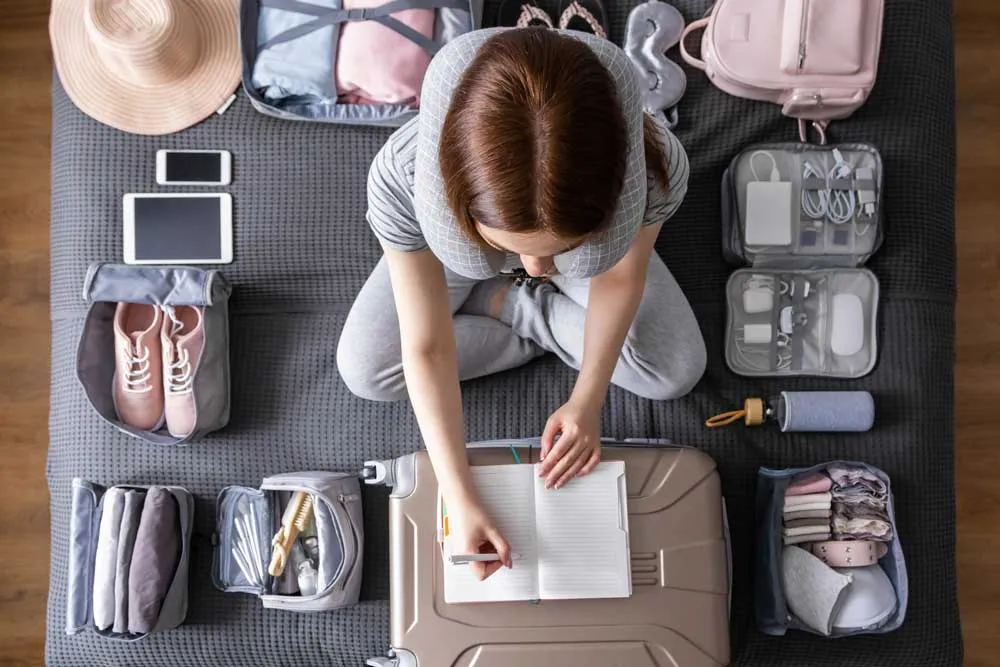 Photo: Marie Kondo, via mariekondo.fr
Kondo's vertical folding technique does create visually pleasing drawer arrangements and can improve space efficiency for certain items. But it also requires significantly more time and precision than traditional folding methods.
For items that get worn frequently and washed regularly, the time investment rarely pays practical dividends. You're essentially creating elaborate temporary arrangements that get destroyed the moment you remove an item.
The Hanging Alternative
Many items that Americans routinely fold would be better served by immediate hanging:
- T-shirts and casual shirts: Hanging prevents fold lines and makes selection easier
- Pants and jeans: Hanging maintains shape better than folding
- Dresses and skirts: Almost always better hung than folded
- Sweaters: The exception — these should be folded to prevent stretching
The main barrier to hanging more clothes isn't space — it's the inherited assumption that hanging is only for "nice" clothes while everyday items belong in drawers.
The Time Audit Reality Check
Consider tracking your actual folding time for a month. Include not just the initial folding, but also the time spent refolding items that get messed up, searching through neat piles that become disorganized, and dealing with fold-induced wrinkles.
Most people discover they're spending significantly more time on laundry management than they realized, with questionable returns on that time investment.
A More Rational Approach
Here's what fabric science and efficiency analysis actually suggest:
- Remove clothes from the dryer immediately while they're still warm
- Hang items that wrinkle easily or get worn frequently
- Fold only items that genuinely benefit from folding (underwear, socks, items going into drawers)
- Skip folding for items that will be hung eventually anyway
- Use folding time as a decision point — if something takes effort to fold, maybe it should be hung instead
The goal isn't to eliminate all folding, but to make it purposeful rather than automatic.
The Liberation of Lower Standards
The dirty secret of laundry efficiency is that most clothing looks and functions fine with minimal folding. Your t-shirts don't care if they're perfectly rectangular. Your jeans don't need crisp fold lines.
The biggest barrier to more efficient laundry routines is often the psychological weight of inherited domestic standards that prioritize appearance over function.
Once you separate necessary fabric care from performative household management, you can reclaim those 100 hours per year for literally anything else — including the revolutionary act of wearing clothes that are clean, comfortable, and completely unfussed-over.