Why Is Your Glass Already Half Full of Ice Before the Drink Arrives? Follow the Money.

Photo: Michael Garlick, CC BY-SA 2.0, via Wikimedia Commons
If you've ever traveled abroad and ordered a Coke, you've probably experienced the mild culture shock of receiving a small glass, a can, and maybe two or three ice cubes placed politely on the side. No enormous plastic cup packed to the rim with frozen water. No refills. Just the drink.
And if you've ever hosted someone from Europe, Japan, or most of Latin America at an American restaurant, you may have watched them quietly fish ice cubes out of their glass with a look of mild bewilderment.
The American relationship with ice in beverages is genuinely unusual on a global scale. Most of the world drinks things at room temperature, or lightly chilled. Americans, almost uniquely, treat ice as a foundational ingredient rather than an optional garnish. The average American restaurant drink arrives with somewhere between 50 and 70 percent of the cup's volume occupied by ice before any liquid is added.
This didn't happen because Americans discovered something other cultures missed. It happened because of a remarkably specific chain of commercial decisions made over about a century — and then it became invisible, the way habits always do once they're old enough.
It Started With a Man Who Figured Out How to Sell Winter
The American ice obsession has a traceable origin, which is unusual for a cultural norm. It begins, more or less, with a Boston businessman named Frederic Tudor.
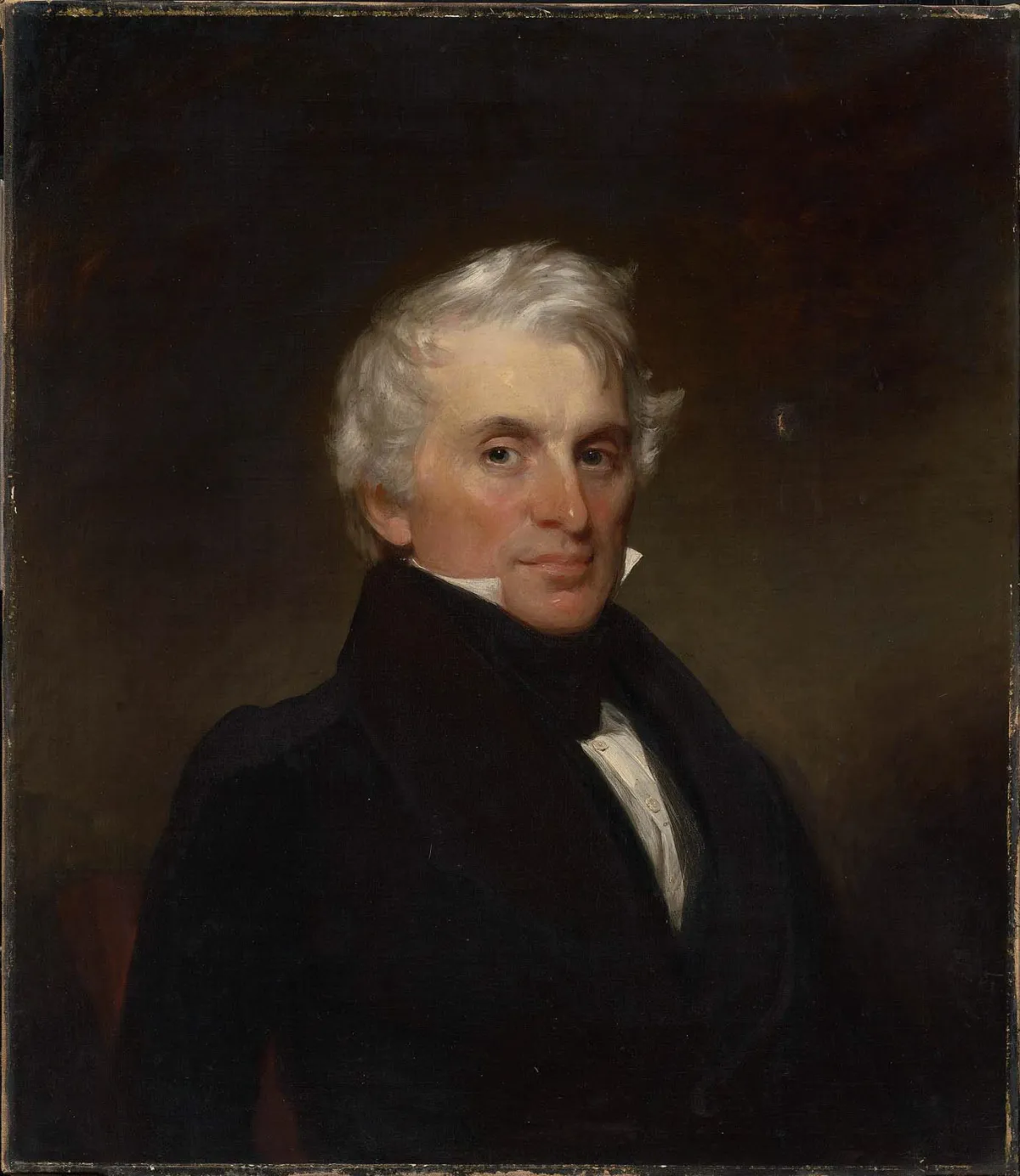 Photo: Frederic Tudor, via lh5.googleusercontent.com
In the early 1800s, Tudor had an idea that most people thought was insane: cut ice from frozen New England ponds in winter, pack it in insulated ships, and sell it to warm-weather cities — including, eventually, tropical destinations like Havana and Calcutta. He spent years losing money and fighting skepticism before the enterprise became profitable. When it did, it became enormously profitable.
But Tudor understood something that went beyond logistics. He understood that demand for ice had to be created, not just met. People in warm climates weren't asking for ice because they'd never had it consistently enough to build habits around it. So Tudor gave away ice to bartenders and restaurant owners on the condition that they serve all drinks cold. He was essentially seeding a market — getting people accustomed to cold drinks so they'd pay for the ice that made them possible.
It worked. By the mid-19th century, the American preference for cold drinks was already developing, and an entire industry had grown up around harvesting, storing, and distributing natural ice.
Mechanical Refrigeration Made Ice Cheap. Restaurants Made It Cheaper.
The natural ice industry was eventually replaced by mechanical refrigeration in the late 19th and early 20th centuries, which made ice dramatically easier and cheaper to produce year-round. What had been a luxury became a commodity.
For restaurants and soda fountains, this created an interesting economic opportunity. Ice is extraordinarily cheap to produce — essentially just water and electricity. The drinks themselves, even at wholesale prices, cost meaningfully more. A glass filled heavily with ice before the drink is added uses less of the expensive ingredient and more of the nearly-free one, while appearing to the customer like a full, generous serving.
This wasn't a conspiracy exactly. It was just economics finding its natural equilibrium. Customers liked cold drinks. Ice made drinks cold. Ice was cheap. More ice meant lower costs without obviously lower value. The practice became standard, then invisible.
The design of American fountain drink cups reinforced the habit further. The classic wax-coated paper cup, and later the plastic cup, was engineered with a wide base and tapered sides — a shape that holds ice efficiently and makes a partially-filled drink look full. The supersized cups that became standard at fast food chains in the 1970s and 80s extended this logic: a 32-ounce cup with 20 ounces of ice and 12 ounces of soda still feels like a 32-ounce drink.
The Cold Preference Became Self-Reinforcing
Here's where cultural psychology takes over from economics.
Once Americans grew up drinking heavily iced beverages, the preference for very cold drinks became genuine — not manufactured. Research on taste perception shows that temperature significantly affects how we experience flavor. Carbonation, for example, is perceived as more intense at colder temperatures. Sweetness is slightly muted by cold, which is why a warm soda tastes overwhelmingly sweet compared to the same drink over ice.
Americans who grew up with heavily iced drinks calibrated their taste expectations accordingly. A drink served at European room temperature doesn't just feel different — it actually tastes different, because the temperature is doing different things to the flavor compounds. The preference, once installed, is self-sustaining.
The infrastructure reinforced it too. American refrigerators have had built-in ice makers as a standard feature since the 1960s. Convenience stores sell bags of ice alongside their other products. Fast food chains built their entire drink economics around ice-heavy service. The whole system assumed and perpetuated the habit.
So Is It Actually a Problem?
Not exactly — but it's worth knowing what's happening.
Heavily iced drinks do dilute as the ice melts, which changes the flavor profile over time. Some health practitioners note that very cold beverages can cause mild digestive discomfort in some people, though the evidence for this as a widespread concern is limited. The more straightforward issue is simply that you're often getting less of what you ordered than you think.
From a pure consumer standpoint, a cup that's 60 percent ice is a cup that's 60 percent not the thing you paid for. Restaurants know this. They've always known this. It's built into the pricing model.
The Takeaway
The mountain of ice in your glass isn't there because Americans figured out the optimal way to enjoy a beverage. It's there because a 19th century ice merchant needed to build demand, mechanical refrigeration made ice nearly free, and restaurants found a low-cost way to fill a cup.
That's not a reason to stop enjoying cold drinks — enjoy them however you like. But it is a pretty good example of how a commercial infrastructure decision can become a cultural identity so thoroughly that questioning it feels vaguely unpatriotic.
Your drink preferences are your own. The ice, though, was always someone else's idea.