A Cereal Company Told You Breakfast Was the Most Important Meal — And We All Just Believed It
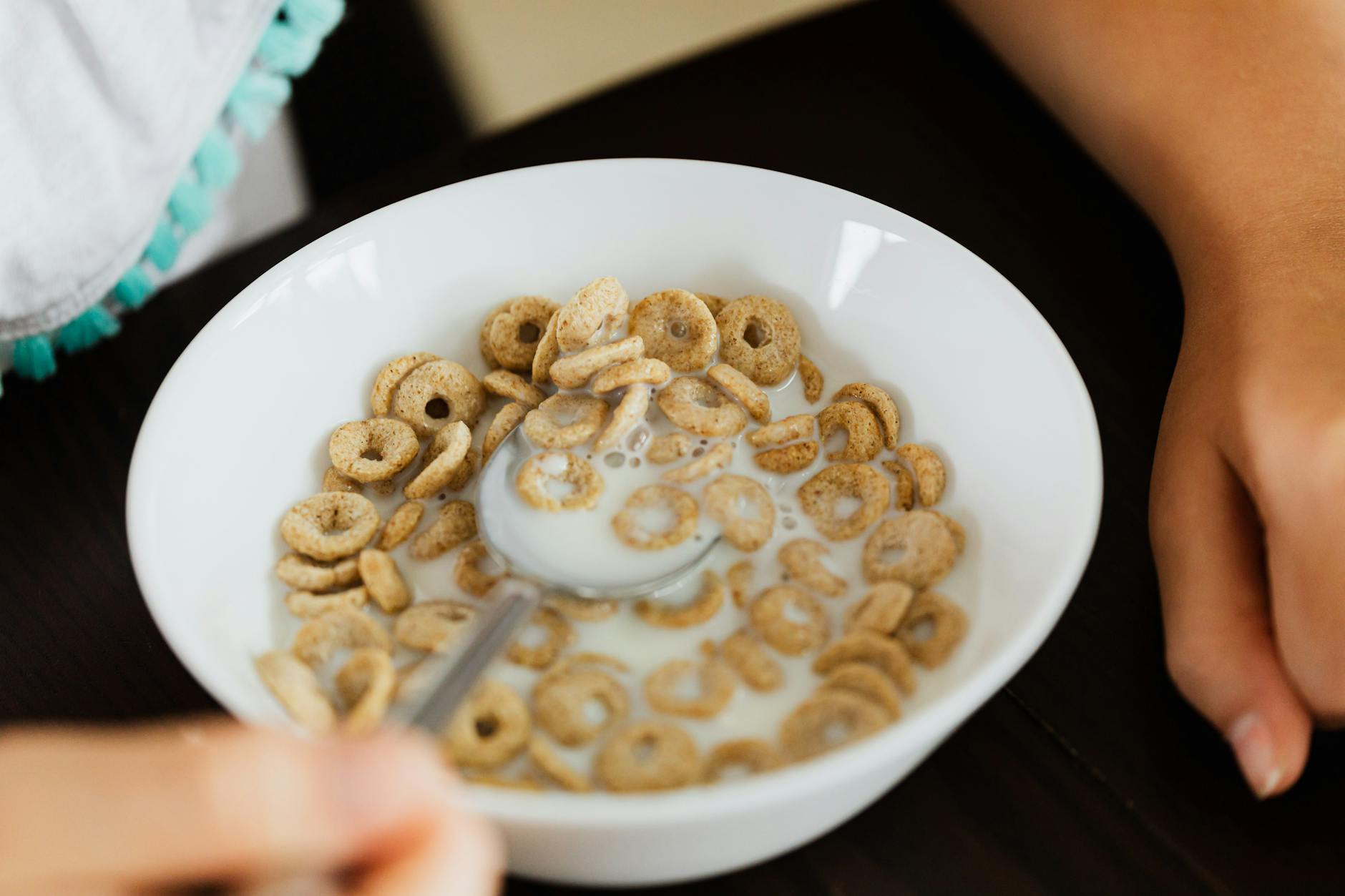
Ask almost any American about breakfast and you'll hear some version of the same thing: it's the most important meal of the day. Doctors have said it. Parents have repeated it. Fitness influencers post about it. It's one of those facts that feels so obvious it barely needs explaining.
Except it's not quite so.
The belief that breakfast is nutritionally non-negotiable didn't come from a landmark medical study or centuries of dietary wisdom. It came, in large part, from a marketing campaign — one designed to sell cereal to a nation that wasn't entirely sure it wanted any.
The Man Behind the Myth
In the late 1800s, John Harvey Kellogg was running a sanitarium in Battle Creek, Michigan, where he promoted a strict vegetarian diet as a path to physical and moral health. Together with his brother Will, he developed a processed grain product that would eventually become corn flakes — originally intended as a bland, appetite-suppressing food for his patients.
When the commercial potential became obvious, the Kellogg company leaned hard into the idea that a grain-based morning meal wasn't just convenient — it was medically essential. Early 20th century advertising campaigns pushed the message that starting your day without a proper breakfast invited fatigue, poor concentration, and general physical decline. The slogan "the most important meal of the day" became a cornerstone of cereal marketing, repeated so often and so confidently that it migrated from ad copy into conventional wisdom.
Kellogg wasn't alone. Competing cereal brands, and later the broader food industry, had every financial incentive to reinforce the same message. By the mid-20th century, the idea had been repeated so many times by so many sources that it had effectively laundered itself into accepted medical fact.
What the Research Actually Says
Here's where it gets interesting. Modern nutrition science doesn't really support the idea that breakfast holds some unique biological importance that other meals don't.
Studies on meal timing have produced genuinely mixed results. Some research does link breakfast consumption to better concentration in school-aged children — though a lot of that work was funded by food companies, which nutritional scientists have flagged as a meaningful conflict of interest. In adults, the picture is murkier still.
The rise of intermittent fasting research has complicated the story further. Multiple peer-reviewed studies have found that restricting your eating window — which often means skipping breakfast entirely — can support metabolic health, help with weight management, and in some cases improve markers of cardiovascular health. The 16:8 model, where you fast for 16 hours and eat within an 8-hour window, typically means not eating until late morning or noon. Millions of Americans follow this approach with measurable positive results.
None of this means breakfast is bad. For some people — particularly those with blood sugar regulation issues, athletes with high energy demands, or people who genuinely feel better eating early — a morning meal makes a lot of sense. But the notion that everyone's body requires food within an hour of waking up, or that skipping it sets off some metabolic alarm, just doesn't hold up to scrutiny.
How a Slogan Became a Health Commandment
So how does a piece of advertising copy spend 100 years masquerading as medical advice?
Part of the answer is repetition. When the same message comes from enough directions — cereal boxes, magazine ads, well-meaning parents, and eventually actual physicians who absorbed the cultural consensus — it becomes nearly impossible to question. It doesn't feel like a claim anymore. It feels like gravity.
The other part is that the advice was convenient. It fit neatly into the emerging structure of the American workday, where people needed to eat before commuting and couldn't easily eat during working hours. A cultural habit got retrofitted with a medical justification, and the justification stuck around long after anyone thought to check the receipts.
There's also the problem of how nutrition advice gets communicated. Broad, simple rules — eat breakfast, drink eight glasses of water, avoid fat — are easy to remember and easy to pass along. Nuanced guidance like "it depends on your lifestyle, your metabolism, and your health goals" doesn't fit on a cereal box. Simplicity wins, even when simplicity is wrong.
The Real Takeaway
Eating breakfast isn't inherently good or bad. What matters is whether it works for your body, your schedule, and your actual nutritional needs — not whether it satisfies a rule invented to move product off grocery store shelves.
If you love breakfast and feel great eating it, keep going. If you've spent years forcing yourself to eat in the morning because you thought you had to, it's worth knowing that the science doesn't back up that obligation.
The most important meal of the day is probably just the one that makes you feel like a functioning human being. That's not a very catchy slogan, but it's a lot closer to the truth.