Astronauts Keep Debunking the Great Wall Myth, But Nobody Listens
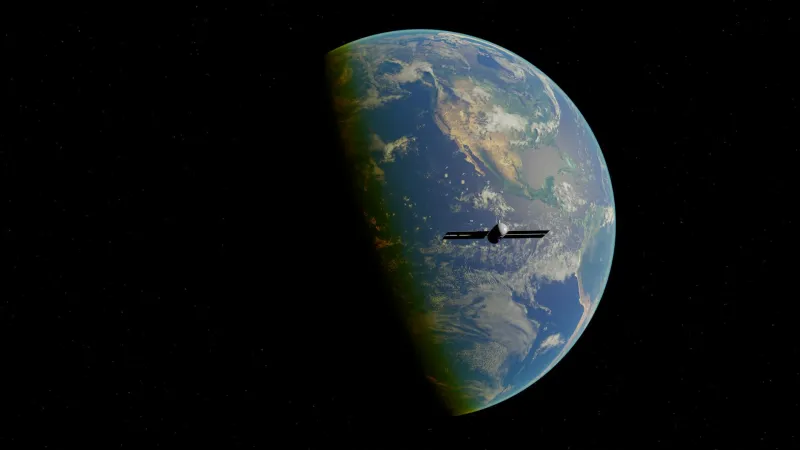
The Myth That Won't Die
Ask most Americans what man-made structure is visible from space, and they'll confidently tell you it's the Great Wall of China. This "fact" has appeared in countless textbooks, been repeated by teachers for generations, and shows up regularly in trivia contests. It seems to make intuitive sense — the Great Wall is really, really long, so of course you'd be able to see it from orbit.
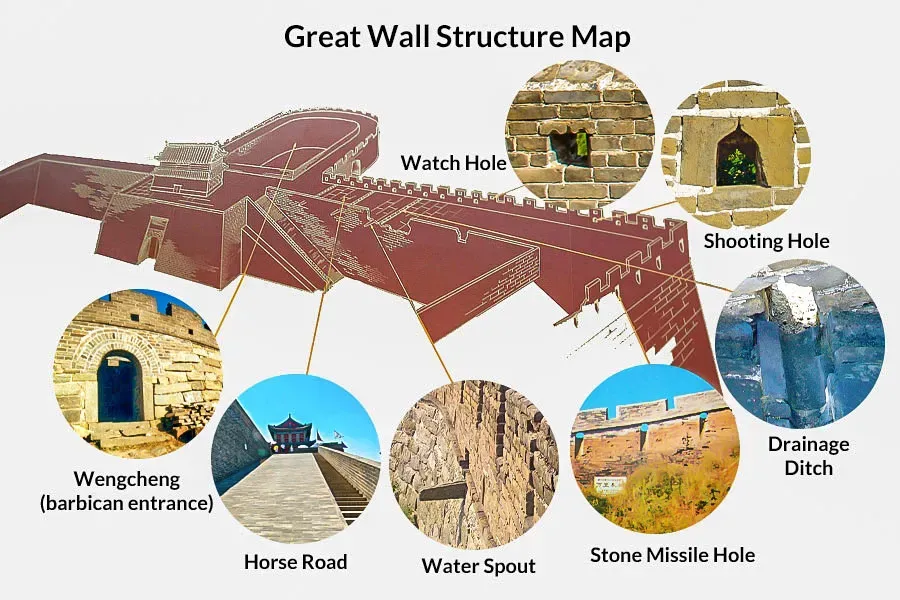 Photo: Great Wall of China, via www.travelchinaguide.com
There's just one small problem: it's completely wrong.
The Astronauts Have Spoken
The people best qualified to answer this question are the ones who've actually been to space. And their testimony is remarkably consistent: they can't see the Great Wall from orbit.
Chinese astronaut Yang Liwei, who became a national hero when he orbited Earth in 2003, was asked specifically about this during his mission. His response disappointed an entire country: "I haven't seen the Great Wall." He later clarified that despite searching carefully, the structure simply wasn't visible to the naked eye from his orbital altitude.
 Photo: Yang Liwei, via www.thoughtco.com
Yang isn't alone. NASA astronauts have been asked about this myth repeatedly over the decades, and their answers are always the same. Chris Hadfield, who spent months on the International Space Station, put it bluntly: "The Great Wall of China is not visible from orbit with the naked eye. It's too narrow, and it follows the natural contours and colors of the landscape."
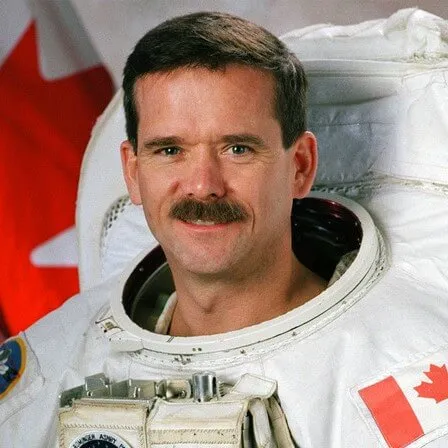 Photo: Chris Hadfield, via legaltalknetwork.com
Even Neil Armstrong, when asked about it years after walking on the moon, said he couldn't identify any specific human constructions from that distance.
The Physics Problem
The reason astronauts can't see the Great Wall isn't mysterious — it's basic physics and human vision. At its widest point, the Great Wall is about 30 feet across. From the International Space Station, which orbits at roughly 250 miles above Earth, that's like trying to spot a pencil line from two miles away.
To put this in perspective, a standard highway is actually wider than most sections of the Great Wall, and highways definitely aren't visible from space as distinct structures. The wall also blends into the surrounding landscape, built from local materials that match the natural terrain.
What astronauts can see are cities at night (because of their lights), large bodies of water, major geographical features, and some massive human constructions like airports or large dams — but these are visible because of their size, contrast, or artificial lighting, not because there's something special about being "man-made."
Where This Myth Started
The Great Wall visibility myth appears to have originated in the early 20th century, well before anyone had actually been to space to check. It showed up in Robert Ripley's "Believe It or Not!" in 1932, and Richard Halliburton claimed in 1938 that it was "the only man-made thing visible from the moon."
These early claims were pure speculation — nobody had been higher than a few miles above Earth's surface at that point. But the idea was compelling enough that it spread widely, eventually becoming accepted as fact by the time the space age actually began.
Why the Myth Persists
Even with clear testimony from multiple astronauts, the Great Wall myth refuses to die. Part of the problem is that it sounds like it should be true. The Great Wall is an impressive human achievement, stretching thousands of miles across China. It seems reasonable that something that massive would be visible from space.
The myth also serves cultural and educational purposes. Teachers use it as an example of human engineering achievement, and it makes for memorable trivia. Correcting it requires explaining orbital mechanics and human vision limitations — much less exciting than a simple, impressive-sounding fact.
There's also the problem of partial truths. The Great Wall is sometimes visible in photographs taken from space, but only with significant magnification and under perfect lighting conditions. These images get shared online with captions like "Great Wall from space!" without mentioning the camera equipment involved.
What You Actually Can See
If you're curious about what's actually visible from orbit, astronauts report seeing city lights at night, major rivers, large lakes, mountain ranges, and weather patterns. Some massive human constructions like the Kennecott Copper Mine in Utah or large airports are visible during the day because of their size and contrast with surrounding terrain.
The most visible human impact from space isn't any single structure — it's the overall pattern of agriculture, deforestation, and urban development that covers much of Earth's surface. These changes are obvious from orbit, but they're regional patterns, not individual buildings or walls.
The Irony of Modern Corrections
The strangest part of this myth is how it continues despite easy access to astronaut testimony. We live in an age where you can watch live streams from the International Space Station, read daily updates from astronauts on social media, and access thousands of hours of space footage. The evidence against the Great Wall myth is overwhelming and easily available.
Yet the myth persists in textbooks, casual conversation, and online "fun facts" lists. It's become a perfect example of how compelling misinformation can outlive any amount of correction.
The Real Achievement
The irony is that the Great Wall of China is genuinely impressive without needing to be visible from space. It represents thousands of years of human engineering, involved millions of workers, and stretches across incredibly diverse terrain. Its historical and cultural significance doesn't depend on whether astronauts can spot it from orbit.
Perhaps it's time to let this particular myth rest and appreciate the Great Wall for what it actually is — rather than what we imagined it might be from 250 miles up.