Lightning Strikes the Same Place Constantly — And That Misconception Is Dangerous
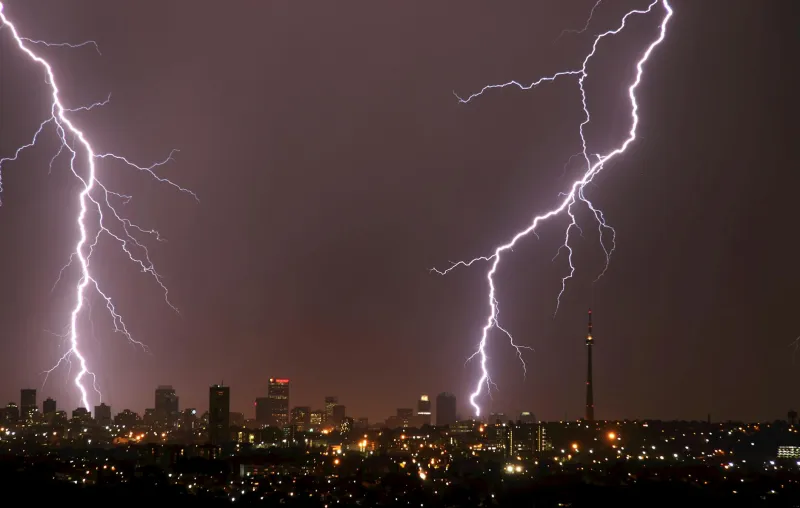
"Lightning never strikes twice in the same place." You've heard it a thousand times, probably said it yourself. It's one of those phrases that feels so obviously true that questioning it seems silly. Except lightning absolutely, definitely, repeatedly strikes the same places over and over again.
The Empire State Building Didn't Get the Memo
The Empire State Building gets struck by lightning roughly 100 times every year. The Willis Tower in Chicago? About the same. Cell phone towers, tall trees on hilltops, church steeples — they're all repeat customers for lightning strikes.
Roy Sullivan, a Virginia park ranger, was struck by lightning seven times between 1942 and 1977. Seven times. If the saying were true, Roy should have been the safest person on Earth after the first strike. Instead, he became a walking lightning rod.
How Lightning Actually Works
Lightning doesn't care about your folk wisdom. It follows physics. When electrical charges build up in storm clouds, they look for the easiest path to the ground — which means the tallest, most conductive object around.
That path doesn't change just because lightning used it once. If anything, a previous strike can make a location more attractive. Metal structures can become slightly more conductive after being hit. Tall objects stay tall. The physics that made a spot attractive to lightning the first time are usually still there for the second, third, and hundredth time.
Where the Saying Actually Came From
The phrase started as a metaphor about rare events and bad luck. If something terrible happened to you once — your house burned down, you were struck by lightning, you won the lottery — the odds of that exact same thing happening again were incredibly small.
But somewhere along the way, Americans started treating it as literal truth about electrical storms. The metaphor became meteorology. The saying about probability became a "fact" about physics.
Why This Misunderstanding Kills People
Here's where this gets serious: people die because they believe this myth.
Every year, Americans get struck by lightning while sheltering under trees that have obviously been hit before — you can see the scorch marks, the split trunk, the dead branches. But they think those trees are "safe" because lightning already struck there.
Golfers stay on courses during storms, figuring that if lightning hit the flag on hole 7 last week, it won't hit the same spot again. Hikers camp near tall, isolated trees that show clear signs of previous strikes.
The National Weather Service has documented cases where people specifically chose shelter under previously struck trees, thinking they were safer. Some of those people died.
The Real Lightning Safety Rules
Forget the folk wisdom. Here's what actually keeps you safe:
When thunder roars, go indoors. Not under trees, not in gazebos, not in convertibles with the top up. Inside substantial buildings or enclosed metal vehicles.
If you're caught outside, avoid tall isolated objects — especially ones that show signs of previous lightning strikes. Stay away from metal fences, poles, and anything that could conduct electricity.
Don't assume you're safe because a place was struck before. Assume the opposite.
The 30-30 Rule
Meteorologists recommend the 30-30 rule: if you can count less than 30 seconds between lightning and thunder, seek shelter immediately. Stay inside for 30 minutes after the last thunder you hear.
This rule exists because lightning can strike up to 10 miles away from a storm — including in areas where it's struck before.
Lightning Rods Prove the Point
Benjamin Franklin invented lightning rods specifically because he understood that lightning hits the same places repeatedly. The whole point of a lightning rod is to give lightning an attractive, safe target that it will hit over and over again instead of hitting your house.
If lightning never struck the same place twice, lightning rods would be useless after their first strike. Instead, they work for decades, getting hit repeatedly and protecting buildings each time.
The Takeaway
Folk sayings make terrible science. "Lightning never strikes twice" is a beautiful metaphor about life's random cruelties, but it's dangerous when people treat it as meteorological fact.
The next time you hear thunder, don't look for places that lightning has hit before and assume they're safe. Look for proper shelter — substantial buildings, enclosed vehicles, anywhere that isn't tall, isolated, or marked with the scorch marks of previous strikes.
Lightning doesn't care about sayings, superstitions, or what your grandmother told you. It cares about physics. And physics says the same tall, conductive, isolated objects that attracted lightning yesterday will attract it again today.