Your Organic Vegetables Were Probably Sprayed With Pesticides — Just Different Ones
The Pesticide-Free Assumption
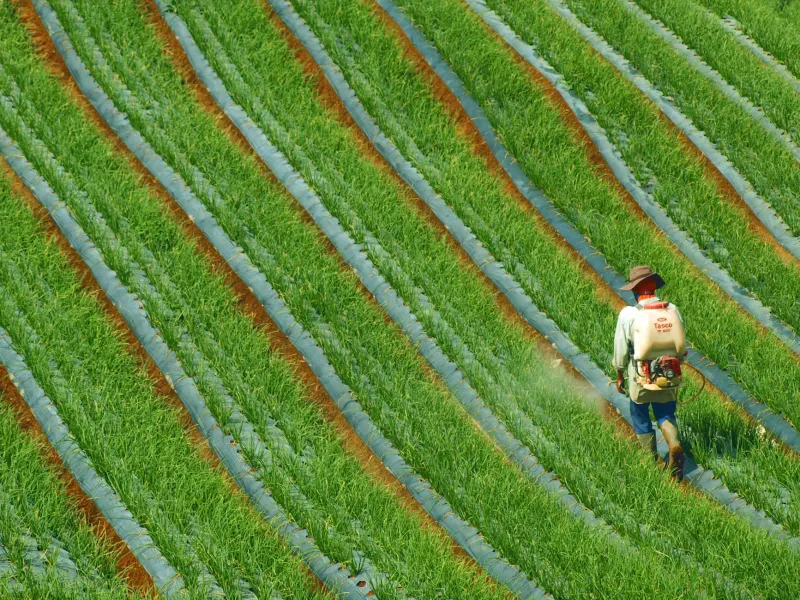
Walk through any grocery store and you'll see the organic section positioned as the clean alternative to conventional produce. The marketing is subtle but effective: images of pristine farms, promises of "natural" growing methods, and price premiums that suggest you're paying for purity. Most shoppers assume organic means pesticide-free, but that assumption is built on a fundamental misunderstanding of how organic certification actually works.
Organic farmers can and do use pesticides — they just have to choose from a different list.
What Organic Certification Actually Covers
The USDA Organic label regulates the types of pesticides farmers can use, not whether they use pesticides at all. Certified organic operations are prohibited from using most synthetic pesticides, but they're allowed to use dozens of substances derived from natural sources.
These approved organic pesticides include copper sulfate (a fungicide that can build up in soil), rotenone (derived from tropical plants but highly toxic to fish), and pyrethrin (extracted from chrysanthemum flowers but harmful to beneficial insects like bees). The list also includes substances like soap, oils, and bacterial preparations that target specific pests.
The key distinction isn't safety or effectiveness — it's origin. Organic certification focuses on whether a pesticide comes from natural sources rather than whether it's less harmful to humans or the environment.
When Natural Doesn't Mean Better
The assumption that natural equals safer has created some counterintuitive situations in organic farming. Because many organic-approved pesticides are less potent than their synthetic counterparts, farmers often need to apply them more frequently or in higher concentrations to achieve the same pest control.
Copper-based fungicides, widely used in organic agriculture, can accumulate in soil over time and become toxic to earthworms and beneficial microorganisms. Rotenone, once popular in organic farming, was so toxic that it's now banned in several countries — but it took years of research to establish the health risks because its natural origin made people assume it was safe.
Meanwhile, some synthetic pesticides used in conventional farming break down quickly in the environment and have lower toxicity profiles than their natural alternatives. The synthetic versus natural distinction often tells us more about chemistry than safety.
The Marketing Language That Shaped Perception
How did "organic" become synonymous with "pesticide-free" in the public mind? The answer lies in decades of careful marketing that emphasized what organic farming doesn't use rather than what it does.
Organic certification bodies and food companies have consistently highlighted the absence of synthetic pesticides while staying quiet about the natural ones. Terms like "chemical-free" and "pure" appear regularly in organic marketing, even though they're technically meaningless — everything is made of chemicals, including the natural pesticides used on organic farms.
The organic industry had strong incentives to maintain this perception. Surveys consistently show that consumers are willing to pay premium prices for organic products specifically because they believe they're avoiding pesticides. Clarifying that organic farming uses different pesticides, not necessarily fewer or safer ones, would complicate a profitable narrative.
Environmental Trade-offs You Don't Hear About
The pesticide story gets even more complicated when you consider environmental impact. Some organic-approved substances require more frequent applications, which means more tractor trips across fields, more fuel consumption, and more soil compaction. Others persist in the environment longer than synthetic alternatives.
Organic farms also typically produce lower yields per acre than conventional operations, which means more land is needed to grow the same amount of food. This land-use difference can offset some of the environmental benefits that organic farming provides in other areas.
None of this makes organic farming inherently worse for the environment — but it does show that the environmental calculus is more complex than the clean marketing suggests.
What the Research Actually Shows About Safety
Studies comparing pesticide residues on organic versus conventional produce consistently find lower levels of synthetic pesticide residues on organic foods. However, they also sometimes find residues of organic-approved pesticides, and the health significance of these differences remains unclear.
The amounts of pesticide residues found on both organic and conventional produce are typically well below levels that regulatory agencies consider harmful. The Environmental Working Group's annual "Dirty Dozen" list, which ranks produce by pesticide contamination, has been criticized by toxicologists for ignoring dose-response relationships and focusing on detection rather than risk.
Most nutrition scientists agree that the health benefits of eating fruits and vegetables — whether organic or conventional — far outweigh any risks from pesticide residues.
Making Sense of Your Food Choices
Understanding that organic doesn't mean pesticide-free doesn't invalidate organic farming or make conventional agriculture automatically better. Organic certification covers many practices beyond pesticide use, including soil health, biodiversity conservation, and restrictions on synthetic fertilizers and genetic modification.
The real issue is that consumers are making purchasing decisions based on incomplete information. When people pay extra for organic produce specifically to avoid pesticides, they're not getting what they think they're buying.
If pesticide avoidance is your primary concern, washing all produce thoroughly — whether organic or conventional — will remove most surface residues. If supporting sustainable farming practices matters to you, look for specific certifications that address those concerns rather than assuming the organic label covers everything.
The pesticide-free myth persists because it simplifies a complex food system into a binary choice between "clean" and "contaminated." The reality is messier but more honest: all farming involves trade-offs, and the best choice depends on what factors matter most to you.