The Sunscreen Math That Doesn't Add Up: Why SPF 50 Isn't Twice as Good as SPF 25
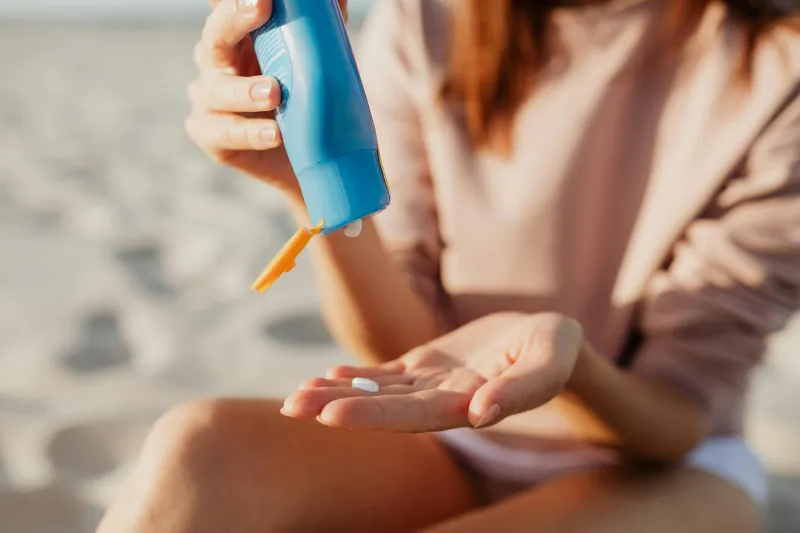
Walk down any drugstore aisle in July, and you'll see sunscreen bottles boasting SPF numbers that climb higher each year. SPF 30, 50, 70, even 100. The message seems clear: bigger numbers mean better protection. Most people assume SPF 50 blocks twice as much UV radiation as SPF 25, and SPF 100 must be nearly bulletproof.
But the math doesn't work that way. And that misunderstanding might be leaving your skin more vulnerable than you think.
What SPF Actually Measures
SPF stands for Sun Protection Factor, and it measures one specific thing: how much longer you can stay in the sun before getting a sunburn compared to wearing no sunscreen at all. If you normally burn after 10 minutes of sun exposure, SPF 30 theoretically lets you stay out for 300 minutes (10 × 30) before burning.
That's the theory. The reality is messier.
SPF ratings are determined in laboratory conditions that bear little resemblance to a day at the beach. Testers apply sunscreen at a thickness of 2 milligrams per square centimeter of skin — about a quarter-teaspoon for your face alone, or roughly a shot glass worth for your entire body. They wait for it to dry, then expose skin to calibrated UV lamps.
Most people use about one-fourth to one-half that amount. Sometimes less.
The Diminishing Returns of Higher SPF
Here's where the numbers get interesting. SPF 15 blocks about 93% of UVB rays. SPF 30 blocks 97%. SPF 50 blocks 98%. SPF 100? About 99%.
The difference between SPF 50 and SPF 100 is just one percentage point of UV protection. Yet consumers often pay significantly more for those higher numbers, assuming they're getting dramatically better coverage.
The Food and Drug Administration has actually proposed capping SPF ratings at 50, arguing that higher numbers provide "negligible additional benefits" while potentially misleading consumers about their level of protection.
Why Higher SPF Can Backfire
Those ultra-high SPF products might actually make sun protection worse, not better. Research shows that people using higher SPF sunscreens often stay in the sun longer, assuming they're better protected. They also tend to apply these products more sparingly, figuring a little goes a long way.
Meanwhile, many high-SPF formulas focus heavily on blocking UVB rays (which cause sunburn) while providing less protection against UVA rays (which cause skin aging and also contribute to skin cancer). The SPF number only measures UVB protection, so a high SPF doesn't guarantee broad-spectrum coverage.
The Real Problem: Application
The biggest gap between lab testing and real-world protection isn't the SPF number — it's how much sunscreen people actually use. Studies consistently show that most Americans apply only 25-50% of the amount used in SPF testing.
Using half the recommended amount doesn't give you half the protection. It's worse than that. Apply half the amount of SPF 30, and you might get the equivalent of SPF 5 or less.
This is why dermatologists often recommend SPF 30 as a practical minimum. Not because higher numbers don't work, but because most people's application habits mean they're getting far less protection than the label promises.
What Actually Works
Effective sun protection comes down to three things: amount, frequency, and coverage.
Amount: Use about an ounce (two tablespoons) for your whole body. For your face alone, use about a quarter-teaspoon. It should feel like too much at first.
Frequency: Reapply every two hours, or more often if you're swimming or sweating. Even "waterproof" sunscreens (technically called "water-resistant" since 2012) lose effectiveness over time.
Coverage: Look for "broad spectrum" on the label, which means protection against both UVA and UVB rays. And remember that sunscreen is just one part of sun safety — shade, clothing, and timing matter too.
The Marketing Behind the Numbers
So why do sunscreen companies keep pushing higher SPF numbers? Because they sell. Consumer surveys show that people consistently choose higher SPF products, even when they don't understand what the numbers mean.
The sunscreen industry knows this. Ultra-high SPF products often cost more and generate higher profit margins, despite offering only marginal improvements in protection over SPF 30 or 50 products.
Some companies have started focusing marketing on other features — water resistance, application ease, or skin-friendly ingredients — rather than just SPF arms races. But the high-number products still dominate shelf space because that's what consumers reach for.
The Bottom Line
The next time you're shopping for sunscreen, don't get caught up in SPF number comparisons above 30. A properly applied SPF 30 sunscreen will protect you better than sparingly applied SPF 100.
Focus instead on finding a broad-spectrum product you'll actually use consistently. Whether that's SPF 30 or SPF 50 matters far less than applying enough of it, reapplying regularly, and not using the number on the bottle as an excuse to abandon other sun-smart habits.
Your skin doesn't care about marketing claims. But it definitely notices when you skimp on coverage.