Those Recycling Arrows on Your Plastic Were Never Meant to Mean What You Think
The Symbol That Broke Recycling
Pick up any plastic container in your kitchen right now. Somewhere on the bottom, you'll probably find a small triangle made of chasing arrows with a number inside. It looks exactly like a recycling symbol, and for decades, Americans have used it as a guide for what goes in the recycling bin.
Here's the problem: those arrows were never meant to indicate recyclability. They're resin identification codes, created by the plastics industry in 1988 to help manufacturers identify what type of plastic they're working with. The fact that they look identical to recycling symbols isn't an accident — but it's not what you think.
How the Plastics Industry Hijacked the Recycling Symbol
The original recycling symbol — three chasing arrows in a triangle — was created in 1970 by a college student named Gary Anderson for a design contest sponsored by a paper company. It was meant to represent the circular nature of recycling: materials going round and round instead of straight to the landfill.
 Photo: Gary Anderson, via www.globaldarts.de
When plastic manufacturers adopted a nearly identical symbol for their resin codes eighteen years later, they weren't trying to promote recycling. They were responding to pressure from environmental groups and state governments who wanted better labeling of plastic products.
California had just passed a law requiring plastic containers to be marked with their resin type. The industry needed a standardized system, and they needed it fast. Using arrows similar to the existing recycling symbol was convenient — and, as it turned out, brilliantly effective marketing.
The Numbers Game Nobody Explained
Those numbers inside the arrows tell a story most Americans never learned to read. Here's what they actually mean:
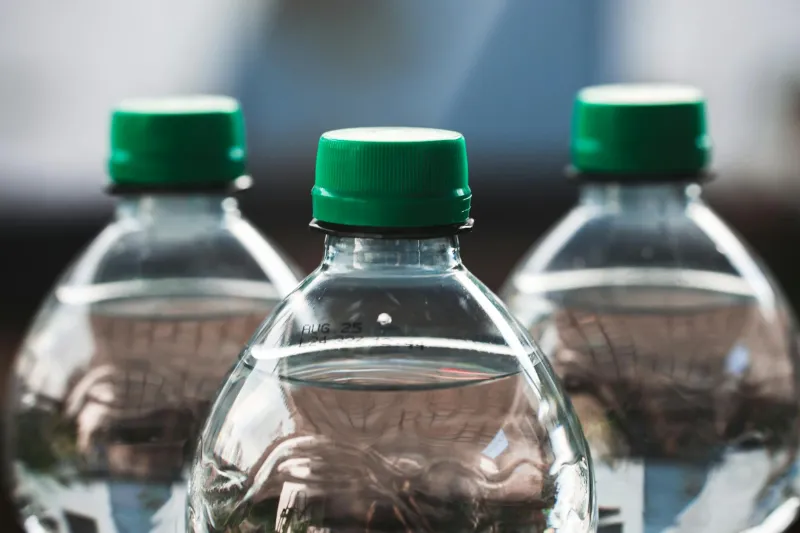
#1 (PET): Water bottles, soda bottles. Actually gets recycled in most places.
#2 (HDPE): Milk jugs, detergent bottles. Also widely recycled.
#3 (PVC): Pipes, some packaging. Rarely recycled due to toxic additives.
#4 (LDPE): Plastic bags, some squeeze bottles. Usually not accepted in curbside programs.
#5 (PP): Yogurt containers, bottle caps. Technically recyclable but often not processed.
#6 (PS): Styrofoam, disposable cups. Almost never recycled.
#7 (Other): Everything else, including "biodegradable" plastics. Generally not recyclable.
The cruel irony is that only plastics #1 and #2 are reliably recycled in most American cities. Everything else — roughly 75% of plastic waste — typically goes straight to landfills, even when consumers dutifully put it in recycling bins.
The Great Recycling Theater
This system created what environmental researchers call "wishcycling" — putting items in recycling bins and hoping for the best. Americans see the arrows, assume the item is recyclable, and toss it in the bin with a clear conscience.
Meanwhile, recycling facilities are overwhelmed with contaminated loads. When trucks arrive full of #3-7 plastics mixed with actually recyclable materials, the entire load often gets diverted to landfills. It's cheaper than sorting through everything.
The plastics industry knew this would happen. Internal documents from major plastic manufacturers in the 1990s show they understood that most plastic recycling wasn't economically viable. But the resin codes gave consumers the impression that their plastic waste was being handled responsibly.
Why Your City's Recycling Rules Are So Confusing
There's no national standard for what gets recycled in America. Each municipality makes its own deals with recycling processors, and those processors only want materials they can actually sell.
In San Francisco, you might be able to recycle #5 yogurt containers. Drive two hours to Sacramento, and those same containers go in the trash. Move to Portland, and the rules change again. The resin codes remain the same, but their practical meaning shifts depending on your zip code.
 Photo: San Francisco, via media.koobit.com
This patchwork system exists because recycling is fundamentally a business, not a public service. When oil prices drop, virgin plastic becomes cheaper than recycled plastic. When China stopped accepting American recycling exports in 2018, entire categories of previously recyclable materials became worthless overnight.
The Psychological Trick That Worked Too Well
The genius of the resin code system wasn't just that it looked like recycling symbols. It was that it made consumers feel like they were part of the solution.
Every time someone saw those arrows and put a container in the recycling bin, they experienced a small hit of environmental virtue. They were doing their part. The problem was someone else's responsibility — the recycling facility, the manufacturer, the government.
This psychological dynamic is called "moral licensing." When people feel they've done one good deed (recycling), they're less likely to take other environmental actions (like reducing consumption). The plastic industry accidentally created a system that made people feel better about buying more plastic.
What Actually Happens to Your Recycling
Here's the uncomfortable truth: most plastic items with recycling arrows never get recycled, even when you put them in the right bin.
Nationwide, only about 9% of plastic waste gets recycled. The rest is incinerated, buried in landfills, or shipped overseas to countries with less stringent environmental regulations. Some of it ends up in the ocean, where it breaks down into microplastics that enter the food chain.
The recycling arrows didn't cause this problem, but they certainly didn't solve it. If anything, they made it worse by giving consumers false confidence about the environmental impact of their purchasing decisions.
Reading the Real Signs
So what should you actually do with plastic containers? First, check your local recycling program's website — not the arrows on the container. Many cities provide detailed lists of what they actually accept.
Second, remember that the resin codes were designed for manufacturers, not consumers. A #5 on the bottom doesn't mean your yogurt container will become a new yogurt container. It just means it's made of polypropylene.
Third, focus on reducing plastic consumption rather than optimizing recycling. The most environmentally friendly plastic container is the one you don't buy in the first place.
The Symbol's Real Legacy
The resin identification system solved the problem it was designed to solve — helping manufacturers identify plastic types. But by borrowing the visual language of environmental responsibility, it created a much bigger problem: widespread confusion about what recycling actually accomplishes.
Today, those little arrows serve as a reminder that good intentions and good outcomes don't always align. Sometimes the most helpful thing you can do is ignore the symbol entirely and focus on the reality behind it.