The Swimming Rule Every Parent Teaches Has No Medical Basis — But It Sounds So Reasonable
The Half-Hour That Never Needed to Happen
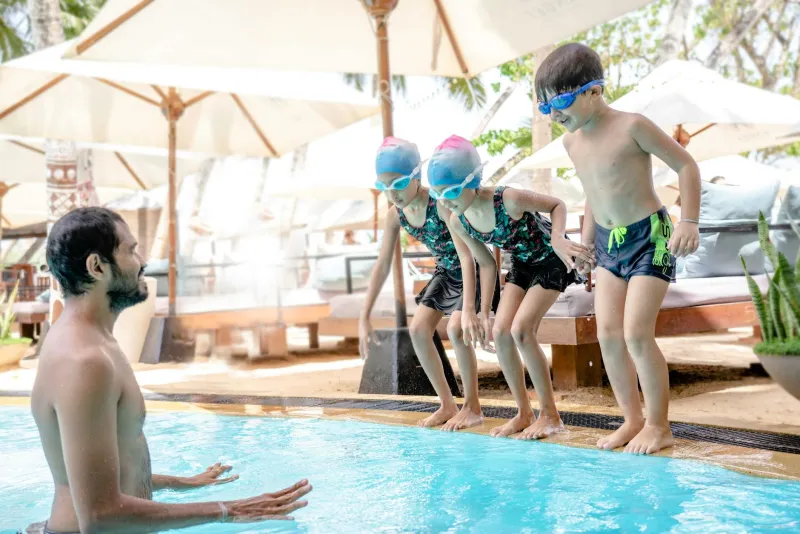
Every summer, the same scene plays out at pools across America. Kids finish their sandwiches and immediately head for the water, only to be stopped by parents invoking the sacred 30-minute rule. "You just ate," comes the familiar warning. "You need to wait or you'll get cramps and drown."
It's one of the most universally accepted pieces of safety advice in American culture. Ask any adult who grew up with access to a pool, and they'll remember the rule. Many still follow it with their own children. The advice sounds so medically reasonable that questioning it feels almost reckless.
Except there's no credible scientific evidence that eating before swimming increases the risk of dangerous cramping in recreational swimmers. The 30-minute rule is medical folklore that somehow achieved the status of established fact.
What We Think Happens vs. What Actually Happens
The logic behind the rule seems straightforward: when you eat, blood flow increases to your digestive system to help process food. This supposedly diverts blood away from your muscles, making them more prone to cramping. Add the physical demands of swimming, and you have a recipe for dangerous muscle cramps that could cause drowning.
This explanation sounds scientific enough that most people never question it. Blood flow, digestion, muscle function — these are real physiological processes, so advice about managing them must be medically sound, right?
But the human circulatory system doesn't work like a zero-sum game where blood to one area automatically means less blood everywhere else. Your body maintains muscle blood flow during digestion, especially during physical activity. While it's true that digestion increases blood flow to the stomach and intestines, this doesn't create a meaningful shortage elsewhere.
More importantly, the type of muscle cramping that can occur during digestion — usually mild abdominal discomfort — is completely different from the kind of severe muscle cramps that might impair swimming ability.
The Research That Doesn't Exist
Here's what's remarkable about the 30-minute rule: despite being followed by millions of people for decades, there are virtually no documented cases of recreational swimmers drowning due to post-meal muscle cramps. No studies demonstrate that eating before swimming increases cramping risk. No medical organizations include "recent eating" in their drowning risk factors.
The American Red Cross, which teaches water safety to millions of Americans, doesn't recommend waiting after eating. Neither does the American Academy of Pediatrics. Swimming coaches regularly have their athletes eat and swim without observing any waiting periods. Competitive swimmers often eat during long training sessions and competitions.
 Photo: American Academy of Pediatrics, via seeklogo.com
 Photo: American Red Cross, via www.shutterstock.com
If eating before swimming were genuinely dangerous, you'd expect to see evidence in swimming programs, medical literature, or drowning statistics. Instead, you find an absence of data supporting a rule that nearly everyone believes.
How Folklore Becomes Medical Fact
The swimming-after-eating rule likely originated from a combination of overgeneralized caution and institutional momentum. Early swimming safety manuals may have included the advice as an abundance of caution, similar to how military training often includes extreme safety measures that aren't necessary in civilian contexts.
Once the rule appeared in official-looking publications, it acquired authority. Parents who learned it as children taught it to their children, adding personal testimony ("I always followed this rule and never had problems") to institutional backing. The advice spread through swimming instructors, camp counselors, and lifeguards who learned it as part of standard safety protocols.
The rule also benefits from what psychologists call "effort justification." When people follow a rule that requires sacrifice — giving up 30 minutes of swimming time — they become more committed to believing the rule is necessary. If the wait wasn't important, why did they waste all that time?
Why Bad Advice Sounds So Good
The 30-minute rule succeeds as folklore because it contains all the elements of convincing medical advice. It's specific (30 minutes, not "a while"), it references real bodily functions (digestion, blood flow, muscle cramps), and it errs on the side of safety rather than risk.
It also addresses a genuine parental anxiety. Drowning is a leading cause of accidental death in children, and parents are constantly looking for ways to reduce risk. A simple rule that seems to prevent a specific danger feels like taking control over a frightening possibility.
The rule persists because following it has no obvious downside. Unlike medical misinformation that causes direct harm, waiting 30 minutes after eating just means less swimming time. Parents who follow the rule never see evidence that it was unnecessary, while parents who ignore it and have no problems might not connect their experience to the rule's validity.
What Actually Affects Swimming Safety
Real swimming safety focuses on supervision, swimming ability, and environmental awareness. The leading risk factors for drowning include lack of supervision, inability to swim, alcohol use, and failure to use life jackets when appropriate. Age is also a major factor — young children and elderly adults face higher drowning risks.
Notably absent from legitimate drowning prevention advice: waiting periods after eating, specific foods to avoid, or warnings about digestive blood flow. The organizations that study drowning and teach water safety focus on factors that actually matter.
This doesn't mean eating has no effect on physical performance. Large meals can cause general discomfort during vigorous activity, and some people do experience mild cramping when they exercise too soon after eating. But this is different from claiming that eating before swimming creates a specific drowning risk.
The Rule That Became Tradition
The 30-minute swimming rule illustrates how safety-sounding advice can become entrenched without scientific backing. When something seems medically reasonable, gets repeated by authority figures, and involves protecting children, it can achieve the status of established fact even without evidence.
This doesn't mean parents should ignore all traditional safety advice or that waiting after eating is harmful. But it does suggest that we should distinguish between evidence-based safety measures and cultural practices that happen to sound medical.
The next time you find yourself automatically repeating the 30-minute rule, remember that sometimes the most convincing advice is the kind that feels too reasonable to question. Good intentions and scientific-sounding explanations don't always add up to good science.
Your kids can probably swim right after lunch. The bigger question is whether you're ready to let go of a rule that's been part of American summer culture for so long that questioning it feels almost un-American.