A Monk in the Egyptian Desert Wrote the Seven Deadly Sins — And He Came Up With Eight
Ask almost anyone in America what the seven deadly sins are, and they'll probably get most of them right: pride, greed, lust, envy, gluttony, wrath, sloth. Ask where those sins came from, and you'll usually hear something like the Bible or the Catholic Church. Both answers feel reasonable. Both are mostly wrong.
 Photo: Egyptian desert, via img.freepik.com
The list didn't come from scripture. It wasn't handed down through a Church council. It was assembled by a single monk living in the Egyptian desert in the late fourth century — and he came up with eight, not seven.
The Man Behind the List
Evagrius Ponticus was a Greek-speaking Christian theologian who left a successful career in Constantinople around 383 AD to join a community of ascetic monks in the Egyptian desert near Alexandria. He was brilliant, prolific, and deeply interested in the inner life — specifically, what gets in the way of a person's spiritual development.
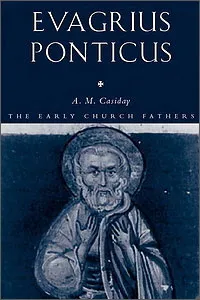 Photo: Evagrius Ponticus, via 3.bp.blogspot.com
His answer took the form of a list. He identified eight logismoi — the Greek word translates roughly as "troubling thoughts" — that he believed were the primary obstacles to spiritual progress. The eight were: gluttony, lust, greed, sadness, anger, acedia, vainglory, and pride.
Notice what's on that list that isn't on the modern version: acedia and vainglory. And notice what's missing: sloth and envy.
Evagrius wasn't writing Church doctrine. He was writing a practical guide for monks struggling with distraction, despair, and ego. The list was a spiritual diagnostic tool, not a theological command. It was meant to help individuals identify what was pulling them away from contemplative prayer — not to define universal categories of sin for all Christians everywhere.
Gregory I Cleaned It Up
The list might have stayed inside monastic communities forever if Pope Gregory I — known as Gregory the Great — hadn't taken an interest in it around 590 AD. Gregory reorganized and reinterpreted Evagrius's eight into a tighter framework, trimming it to seven items in the process.
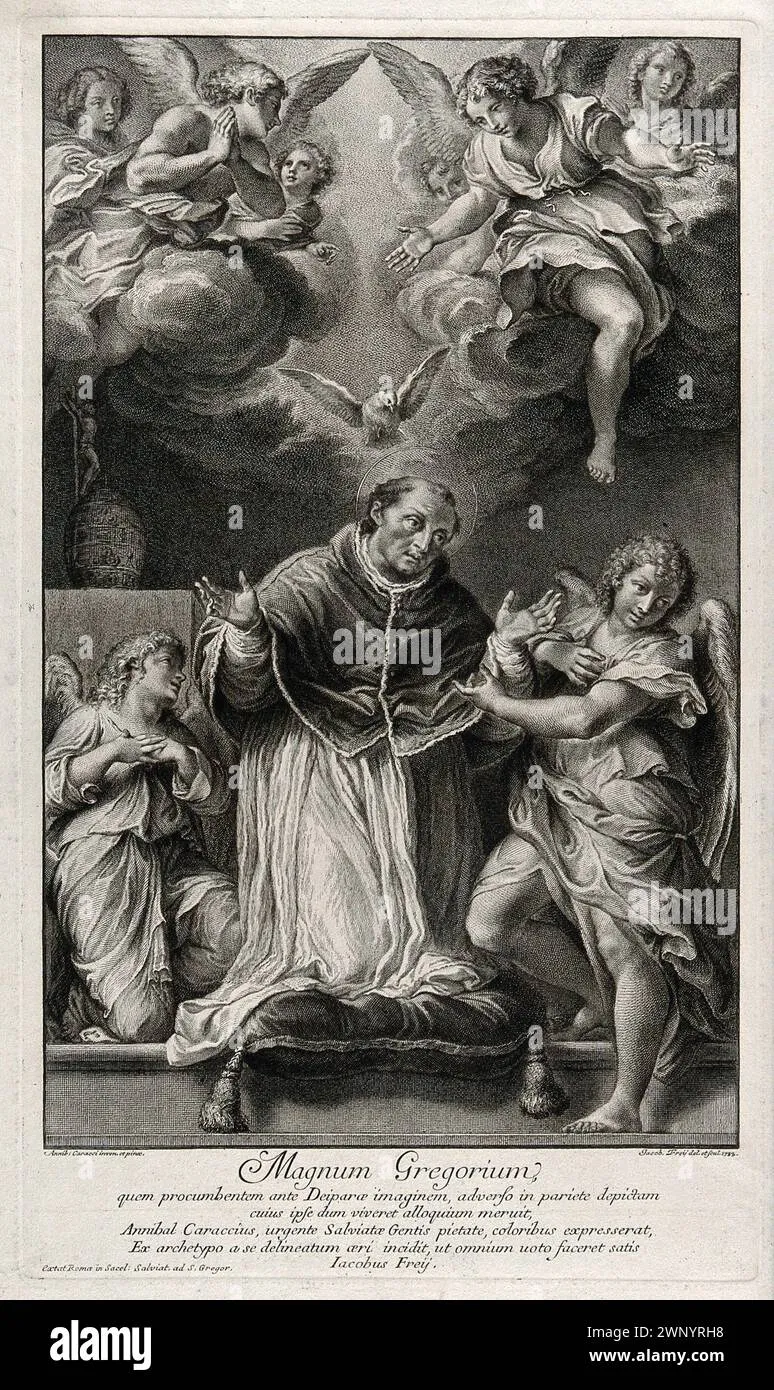 Photo: Pope Gregory I, via c8.alamy.com
He collapsed vainglory into pride, reasoning that excessive pride about one's reputation was really just pride in another form. He also replaced acedia — a complex state of spiritual torpor, listlessness, and existential despair that was specific to the experience of monks — with the more general concept of sloth. And he added envy to the list.
Gregory's version was more accessible to a broader audience. It wasn't aimed exclusively at monks; it was intended as a framework for all Christians examining their own moral lives. That wider applicability is a big part of why Gregory's revision is the one that survived.
But here's the thing: even after Gregory's revision, the list wasn't formally defined as official doctrine. It was influential, widely taught, and deeply embedded in medieval Christian thought — but it was still, at its core, a theological teaching tool rather than a binding article of faith.
Why It Feels Like Scripture
The seven deadly sins don't actually appear as a numbered list anywhere in the Bible. There's a passage in Proverbs (6:16–19) that lists seven things God finds detestable, but that inventory — haughty eyes, a lying tongue, hands that shed innocent blood, among others — doesn't match the familiar seven at all.
So why do so many Americans treat the list as though it's as old and authoritative as the Ten Commandments?
Part of the answer is cultural saturation. Dante's Inferno, written in the early 1300s, structured hell partly around these sins and put the framework in front of educated Europeans for centuries. Medieval art, sermons, and morality plays repeated the list until it felt like bedrock. By the time the printing press arrived, the seven deadly sins were already so embedded in Western Christian culture that questioning their origins would have seemed strange — like questioning where the alphabet came from.
Another factor is the number itself. Seven has deep symbolic resonance in religious tradition — seven days of creation, seven sacraments, seven seals in Revelation. A list of seven feels authoritative in a way that a list of eight simply doesn't. Gregory's edit from eight to seven almost certainly made the framework more memorable and more credible to medieval audiences, even if that was never his explicit intention.
What Happened to Acedia
The replacement of acedia with sloth is worth pausing on, because the two concepts aren't really the same thing.
Acedia — the word Evagrius used — described something closer to what we might today call depression or existential burnout. Monks experiencing acedia couldn't pray, couldn't work, couldn't find meaning in anything. They felt a crushing indifference to their spiritual lives and to the world around them. It was considered one of the most dangerous states a monk could fall into, precisely because it undermined the will to seek God.
Sloth, as most people understand it today, is laziness. It's not getting off the couch. It's procrastinating on your taxes.
Those are not the same thing. In flattening acedia into sloth, the tradition lost something genuinely interesting — a sophisticated psychological observation about the relationship between spiritual meaning and mental health — and replaced it with a fairly ordinary moral complaint about not working hard enough.
The Takeaway
The seven deadly sins aren't scripture, and they weren't designed as a universal moral code. They started as one monk's attempt to map the interior struggles of desert ascetics, got revised by a pope who wanted something more broadly applicable, and then spent the next thousand-plus years getting repeated until everyone assumed they'd always existed in that form.
That's not a knock on the framework — plenty of people still find it genuinely useful for self-examination. But the next time someone cites the seven deadly sins as though they were handed down from on high, it's worth remembering: the original author came up with eight, and one of them was a word we've almost entirely forgotten.